Saudi–Qatar High-Speed Rail to Slash Riyadh–Doha Travel to Two Hours, Create 30,000 Jobs
 Ashwini Gambo
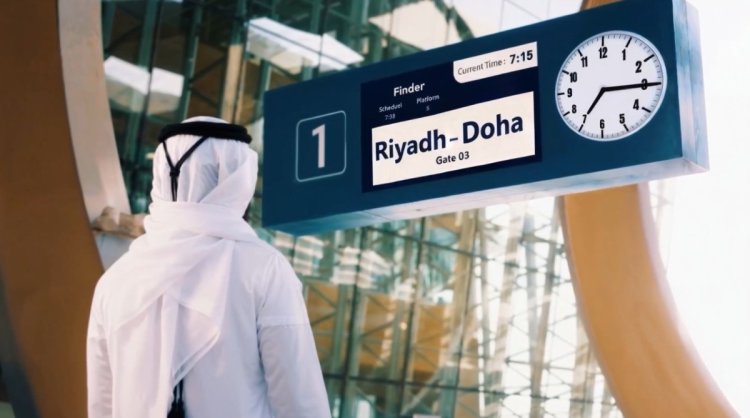
Saudi Arabia and Qatar have officially signed a landmark agreement to construct a new high-speed electric railway connecting Riyadh and Doha, in what is being viewed as one of the most ambitious joint infrastructure projects in the Gulf region. According to Al Ekhbariya TV, the initiative is expected to transform economic integration, mobility, and logistics between the two nations.
Planned for completion within six years, the 785-kilometre railway will cut travel time between the two capitals to approximately two hours, with trains capable of exceeding 300 km/h. Once fully operational, the network is projected to accommodate more than 10 million passengers annually, offering a fast, sustainable, and efficient alternative to current travel routes.
The line will extend across key Saudi cities including Riyadh, Hofuf, and Dammam, reinforcing internal connectivity while enhancing cross-border movement. A major strategic element of the project is its link between King Salman International Airport in Riyadh and Hamad International Airport in Doha two of the region’s most important aviation gateways. Five state-of-the-art passenger stations along the route will deliver a modern travel experience featuring advanced smart-transport technologies.
Beyond improved mobility, the railway is set to stimulate significant economic benefits. Officials estimate the project will generate around 30,000 direct and indirect jobs throughout its construction and operational phases. It is also expected to bolster the transport of light and medium goods, streamline supply-chain logistics, and reduce delivery times ultimately increasing bilateral trade and lowering operational costs for businesses.
In a joint statement, both governments reaffirmed their commitment to strengthening supply-chain cooperation, particularly within the energy sector, and to expanding trade exchange between the two countries. The new rail initiative is aligned with broader regional ambitions to enhance connectivity, support tourism, and improve quality of life across the Gulf.