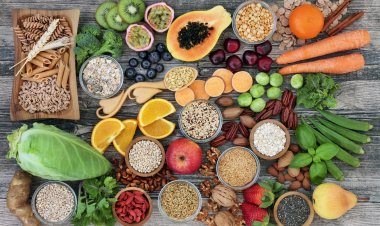
Guava, chia seeds and lentils top fiber chart, white bread scores lowest
 supriyatunk

Dietary fiber plays an essential role in blood sugar control, gut health, heart health, and long-term wellness, yet many people still fall short of recommended daily intake levels.
According to Saurabh Sethi, choosing the right fiber-rich foods can significantly improve digestion and overall metabolic health. In a recent post on Instagram, the doctor rated several commonly consumed foods based on their fiber content and health benefits, highlighting which options deserve a place in everyday diets.
Why fibre matters
Dietary fiber is a type of plant carbohydrate that the human body cannot digest, but it performs several important functions in the digestive system.
Studies cited by the National Institutes of Health show that fiber adds bulk and water to stools, helping regulate bowel movements and reduce constipation.
There are two main types of fiber:
-
Soluble fiber: Found in beans, seeds, and fruits. It dissolves in water and can help lower LDL (“bad”) cholesterol while slowing sugar absorption into the bloodstream, helping maintain stable blood glucose levels.
-
Insoluble fiber: This type adds bulk to stool and helps food move more quickly through the digestive tract.
Together, these fibers support gut health and may reduce the risk of conditions such as colorectal cancer, type 2 diabetes, and heart disease.
Best foods for fibre
Guava: 9/10
Guava contains both soluble and insoluble fiber, making it excellent for digestion and blood sugar stability. Its fibrous flesh supports beneficial gut bacteria and helps regulate bowel movements naturally.
Chia Seeds: 10/10
Despite their tiny size, chia seeds are extremely rich in fiber, particularly insoluble fiber that bulks up stool and promotes regularity. They also contain omega-3 fatty acids and provide sustained energy.
Flax Seeds: 10/10
Flax seeds offer high fiber content along with lignans that provide antioxidant benefits. They also contain soluble fiber that can help lower cholesterol. Experts recommend consuming them ground to improve nutrient absorption.
Lentils: 9/10
Lentils are fiber-rich legumes packed with protein and slow-digesting carbohydrates that help stabilize blood sugar levels. They also support gut bacteria that produce beneficial short-chain fatty acids.
Black Beans: 9/10
Black beans provide both soluble and insoluble fiber along with important micronutrients, supporting digestion and heart health.
Psyllium Husk: 10/10
Nearly pure soluble fiber, psyllium husk forms a gel in the digestive tract, helping improve bowel regularity while supporting cholesterol and blood sugar management when consumed with adequate water.
Berries: 9/10
Berries combine fiber with antioxidants and vitamins. Both soluble and insoluble fiber support digestion while contributing to overall health.
Food to limit
White Bread: 1/10
Despite its popularity, white bread contains very little fiber because the refining process removes the bran and germ where fiber is concentrated. According to Dr. Sethi, a typical slice provides barely one gram of fiber, making it a poor option for meeting daily fiber needs.
Even whole-grain breads contain more fiber than refined varieties, but they still fall short compared with whole plant foods such as seeds, fruits, and legumes.
A simple dietary shift
Research suggests that replacing refined foods with fiber-rich plant foods can increase daily fiber intake and promote a more diverse gut microbiome. Incorporating foods such as seeds, legumes, and fresh fruits into regular meals can make a meaningful difference for digestive and metabolic health.
Disclaimer: This article, including health and nutrition information, is intended for general informational purposes only and should not be considered a substitute for professional medical advice. Always consult a qualified healthcare professional for personalized health guidance.