Milan Men’s Fashion Week AW26: Power, Precision, and the Quiet Authority of Modern Menswear
 Ashwini Gambo
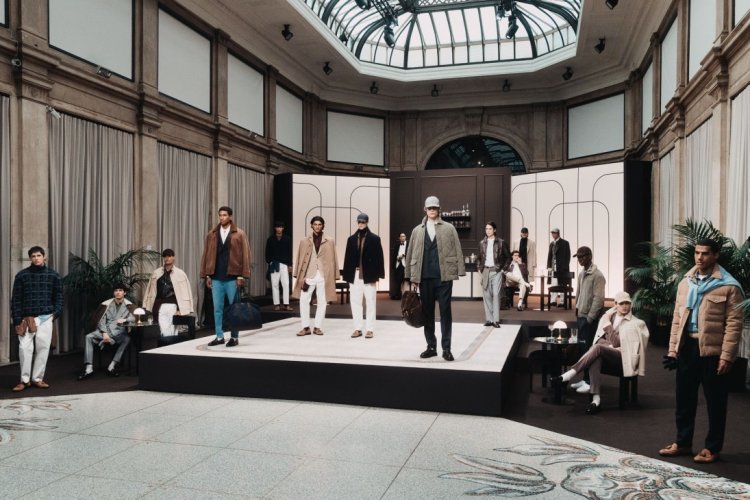
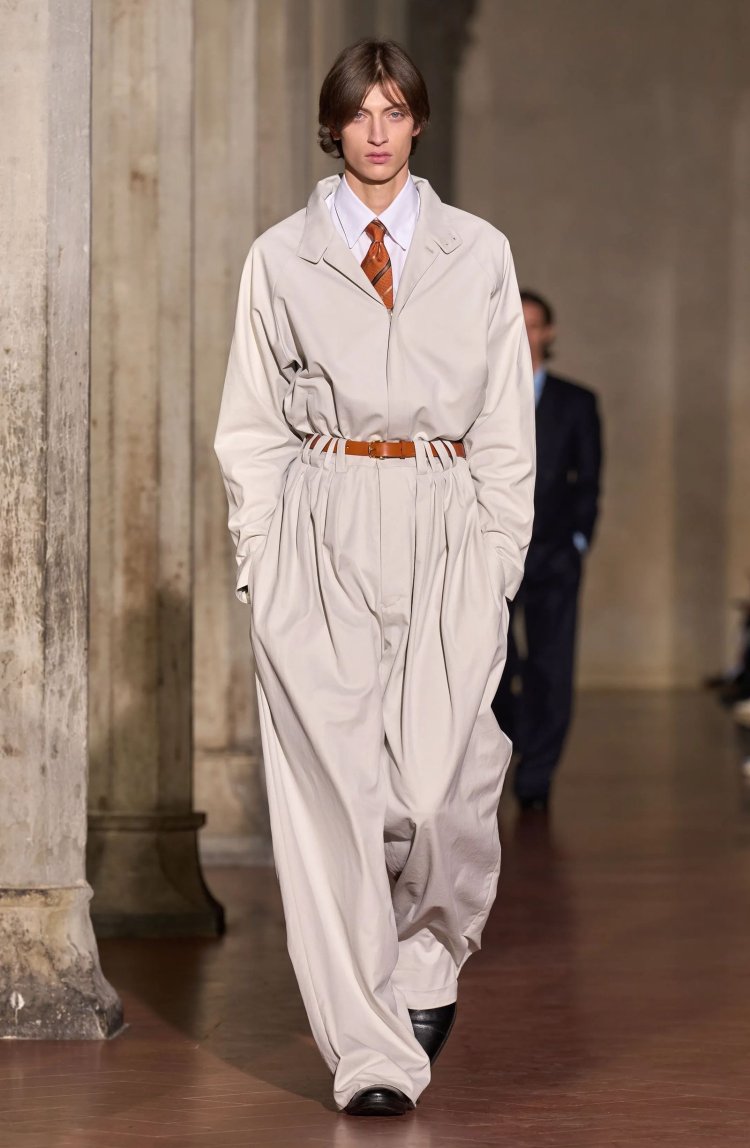
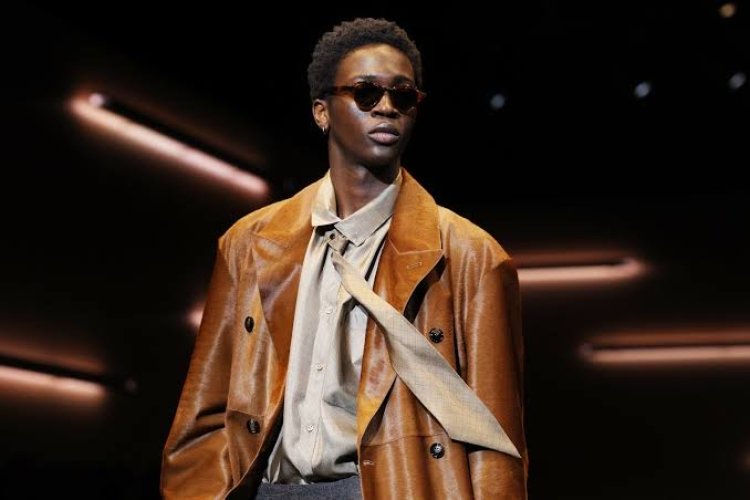
Milan Men’s Fashion Week AW26 unfolded not as a spectacle of excess, but as a considered meditation on what menswear means today. Across collections, designers moved away from noise and novelty, instead focusing on purpose, craftsmanship, and the relationship between clothing, the body, and identity. The season felt introspective rooted in reflection rather than display where power was expressed through restraint and clarity.
Zegna
At Zegna, Alessandro Sartori continued to redefine tailoring as a living system. Jackets, coats, and trousers were engineered to move naturally with the wearer, offering volume without weight and structure without stiffness. Technical fabrics were softened, prioritizing adaptability over performance theatrics. Sartori’s vision positioned menswear as infrastructure quietly intelligent clothing designed to support modern complexity.
Prada
Presented at the Deposito within Fondazione Prada on January 18, Prada’s AW26 collection explored the dialogue between past and present. Miuccia Prada and Raf Simons delivered elongated, precise silhouettes that referenced classical menswear while subtly disrupting convention. Fabric treatments and prints evoked memory rather than nostalgia, framing clothing as a vessel for cultural and emotional residue. The presence of figures from film and music reinforced the collection’s reach beyond fashion alone.
Dolce & Gabbana
Titled The Portrait of Man, Dolce & Gabbana’s collection treated menswear as an expression of inner life. Through sculpted tailoring, rich textures, and dramatic fabrics velvets, brocades, matte silks each look suggested a different psychological state. The result was a nuanced exploration of masculinity, rejecting rigid archetypes in favor of individuality and emotional depth.
Giorgio Armani
Closing the week, Giorgio Armani reaffirmed the strength of legacy through subtle evolution. Centered on the concept of cangiante iridescence the collection played with shifting textures and tones, from olive greens to lapis blues and amethyst hues. Fluid silhouettes and tactile materials created garments that changed with movement and light, proving that innovation can exist quietly within continuity.
Ralph Lauren
Making a statement through consistency rather than reinvention, Ralph Lauren’s Milan presentation leaned confidently into the brand’s established codes. Double-breasted coats, refined eveningwear, and heritage tailoring were delivered without nostalgia or excess. The collection demonstrated how coherence itself can be a form of authority in menswear.
Brunello Cucinelli
Brunello Cucinelli offered a vision of calm luxury grounded in humanism. Soft tailoring, relaxed proportions, and tactile fabrics emphasized longevity and comfort. In an industry driven by acceleration, the collection stood as a reminder that true refinement allows clothing to adapt to life, not dominate it.
Dunhill
Dunhill reimagined formalwear as functional rather than ceremonial. Precision remained key clean lines, controlled proportions, thoughtful layering but rigidity was removed. The collection reflected the evolving nature of professional dress, offering structure without constraint as traditional dress codes continue to dissolve.
Qasimi
Qasimi’s presentation foregrounded narrative over ornamentation. Drawing on themes of displacement, memory, and hybridity, the collection embedded meaning through proportion, layering, and restraint. Rather than projecting identity, the garments created space for it positioning clothing as a quiet companion to lived experience.
The Takeaway
Milan Men’s Fashion Week AW26 made a compelling case for menswear rooted in intention. Across the city, designers proved that authority today lies not in spectacle, but in precision, purpose, and the confidence to let clothes speak softly.