Gulf diplomacy cools Iran strike fears as UAE stays out of lobbying effort
 supriyatunk
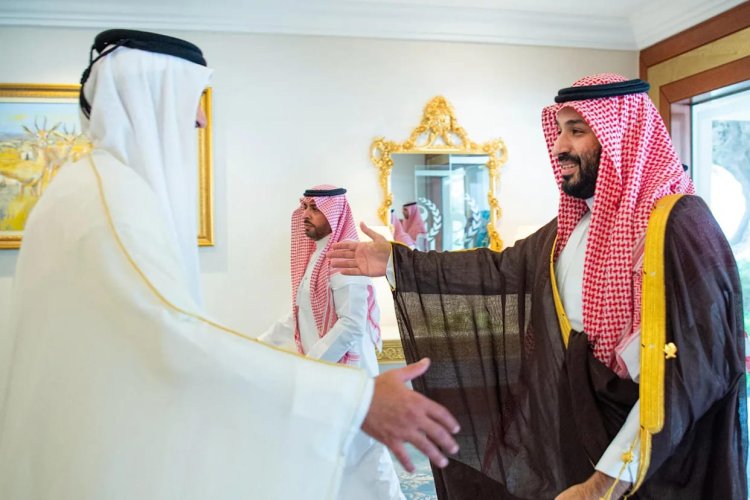
As regional tensions escalated in mid-January 2026, Saudi Arabia, Qatar, and Oman emerged as key players in a quiet but significant diplomatic push aimed at preventing a potential U.S. military strike against Iran. According to a report by The Wall Street Journal, the three Gulf nations privately urged the Trump administration to reconsider any move toward military action, warning of far-reaching regional and global consequences.
The lobbying effort was driven by deep concerns over stability in the Gulf. Officials cautioned that a strike, particularly one linked to regime change or the encouragement of internal unrest, could spiral into widespread conflict, disrupt global oil markets via the Strait of Hormuz, and provoke Iranian retaliation against critical energy infrastructure across the region. As part of this stance, Saudi Arabia, Qatar, and Oman reportedly informed Washington that they would deny their airspace for any offensive operations targeting Iran.
Egypt later aligned with these concerns in broader diplomatic discussions, reinforcing the call for restraint and de-escalation.
Notably absent from this coordinated effort was the United Arab Emirates. Analysts view the UAE’s decision not to participate as a reflection of differing strategic calculations and a comparatively higher tolerance for risk regarding Iran’s regional influence. While Abu Dhabi has not publicly endorsed any military strike, its absence from the lobbying effort sets it apart from neighboring states that have moved toward a more cautious posture following the 2023 Saudi-Iran normalization.
The diplomatic pressure appeared to have an impact. Between January 15 and 16, President Donald Trump indicated that he had decided against an immediate attack, citing signs that violent repression of protesters inside Iran was easing. However, the White House emphasized that “all options remain on the table,” underscoring the fragile and fluid nature of the situation.
The episode highlights a shifting landscape in Gulf diplomacy, one where regional actors are increasingly proactive in shaping outcomes, even as their approaches to Iran continue to diverge.