Indian passport climbs five places in 2026 Henley Index despite tighter visa rules
 supriyatunk
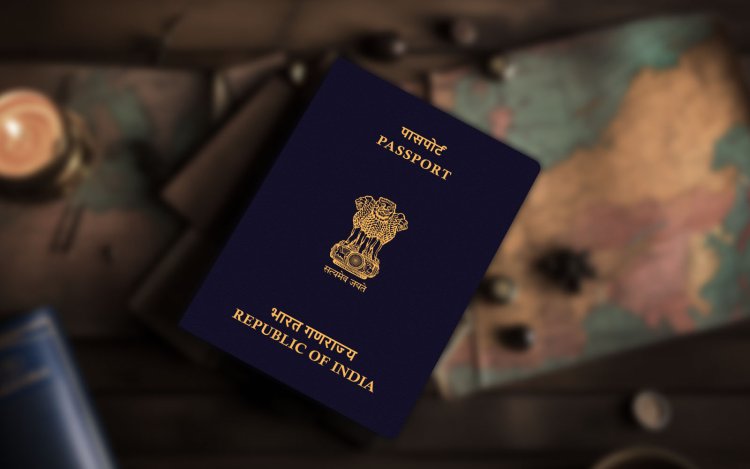
The Indian passport has improved its global standing in 2026, climbing five spots to rank 80th on the Henley Passport Index, up from 85th in 2025. The rise reflects new visa-free and eased travel access for Indian nationals, even as some countries have tightened entry requirements.
While the total number of destinations accessible without a prior visa has marginally decreased from 57 to 55, Indian travelers have gained meaningful new access across Southeast Asia and Central Asia, strengthening mobility in key regions.
One of the biggest boosts comes from Malaysia, where Indian passport holders now enjoy visa-free entry until December 31, 2026. Travelers can stay for up to 30 days for tourism, business meetings, or transit. Visitors are required to complete the Malaysia Digital Arrival Card (MDAC) at least three days prior to arrival.
In Central Asia, Kazakhstan has been added to India’s visa-free list for 2026, allowing Indian citizens to stay up to 14 days for leisure or short-term professional visits, opening up new opportunities for tourism and business travel.
European transit has also become easier. From January 2026, Germany has removed the requirement for an airport transit visa for Indian nationals at major hubs such as Frankfurt and Munich, provided they are making airside transfers to non-Schengen destinations like the United States or the United Kingdom.
However, the improved ranking comes alongside tighter access in certain regions. Iran suspended its bilateral visa-free arrangement for ordinary Indian passport holders in late 2025, meaning travelers must now obtain a visa in advance. Meanwhile, Bolivia has replaced its visa-on-arrival facility with a mandatory e-visa, effective January 1, 2026.
Overall, the 2026 update reflects a mixed but positive outlook for Indian travelers, with strategic gains in Asia and Europe helping offset stricter entry rules elsewhere and pushing the passport higher on the global mobility index.