Global energy lockdown: risks, impact and what it means for the world
 supriyatunk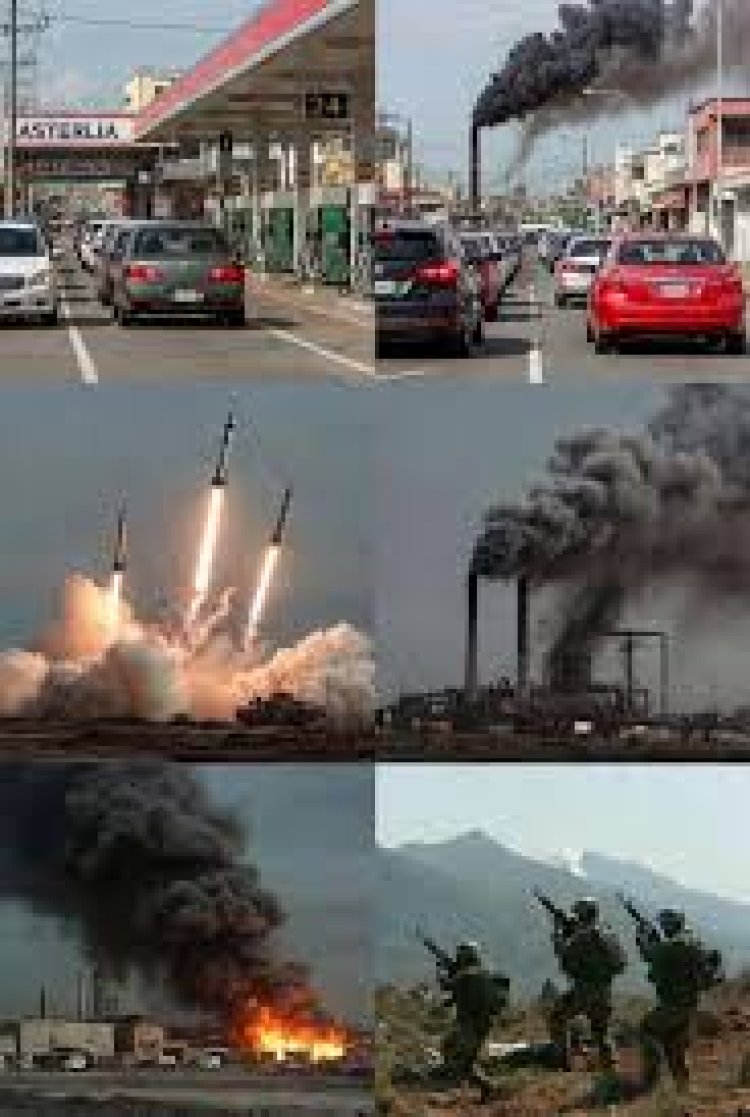
The idea of a “global energy lockdown” is increasingly being discussed amid rising geopolitical tensions and disruptions to critical supply routes. While not a formal shutdown like the Covid-era restrictions, the term describes a scenario where global energy supplies, particularly oil and gas, face severe constraints, impacting economies and daily life worldwide.
What is a global energy lockdown?
A global energy lockdown refers to a situation where the flow of essential energy resources is significantly restricted due to conflict, sanctions, or logistical disruptions. This can limit the availability of fuel needed for transportation, electricity generation, and industrial activity, effectively slowing down economic systems across countries.
Unlike pandemic lockdowns that restricted human movement, an energy lockdown affects the movement of goods, services, and production by limiting access to power and fuel.
Key trigger: geopolitical tensions
One of the biggest risks to global energy stability is conflict in strategically important regions. Tensions involving the United States, Israel, and Iran have raised concerns about disruptions in the Strait of Hormuz, a vital route through which nearly 20 percent of the world’s oil and gas supplies pass.
Any blockage or restriction in this corridor can significantly reduce global supply, leading to sharp increases in oil prices and uncertainty in international markets.
Countries in the Gulf, including Saudi Arabia and the United Arab Emirates, play a crucial role in global energy exports. Disruptions affecting these nations can have immediate and widespread consequences.
Economic impact
A constrained energy supply can trigger a chain reaction across the global economy. Higher fuel prices increase transportation and manufacturing costs, which in turn drive inflation. Essential goods become more expensive, and businesses face rising operational expenses.
Developing economies, which are heavily dependent on energy imports, are particularly vulnerable. For countries like India, any prolonged disruption can impact everything from fuel prices to electricity generation and overall economic growth.
Impact on daily life
An energy lockdown can directly affect everyday life. Rising fuel costs may lead to higher transportation fares, increased electricity bills, and more expensive household goods. In extreme cases, countries may implement energy-saving measures such as controlled power cuts or restrictions on usage.
Governments often respond by urging citizens to conserve energy, reduce unnecessary consumption, and adopt more efficient practices.
Supply chains and global trade
Energy is the backbone of global trade. Disruptions can slow shipping, delay manufacturing, and affect the availability of goods worldwide. Key industries, including aviation, logistics, and heavy manufacturing, are particularly sensitive to fluctuations in fuel supply.
This can lead to delays, shortages, and increased costs across international markets, similar to the supply chain disruptions seen during the Covid-19 pandemic.
Preventive measures and resilience
To mitigate risks, countries are increasingly focusing on energy diversification, strategic reserves, and renewable energy investments. Building alternative supply routes and reducing dependence on single regions are key strategies to avoid large-scale disruptions.
International cooperation also plays a critical role in maintaining stability, as coordinated efforts can help manage supply shocks and prevent escalation.
A growing global concern
While a full-scale global energy lockdown has not occurred, the possibility highlights the fragility of interconnected energy systems. Ongoing geopolitical tensions and reliance on critical transit routes continue to pose risks.
The concept serves as a reminder that energy security is as vital as economic and national security. As the world navigates uncertain times, ensuring stable and sustainable energy supplies remains a top priority for governments and industries alike.