
Japan records nearly 100,000 centenarians in 2025, setting a new longevity milestone
 supriyatunk
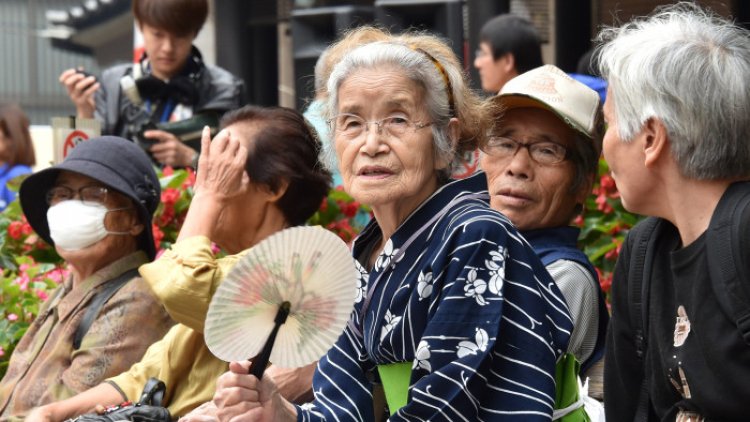
In September 2025, Japan’s Ministry of Health, Labour and Welfare officially recorded 99,763 centenarians, marking an all-time high and reinforcing the country’s status as the world leader in longevity. This milestone represents the 55th consecutive year in which the number of Japanese citizens aged 100 or older has increased, highlighting a long-term demographic trend rather than a short-term anomaly.
Women continue to dominate Japan’s centenarian population. Of the total count, approximately 88%, or 87,784 individuals, are women, reflecting persistent gender differences in life expectancy. The total number of centenarians grew by 4,644 compared to the previous year, underscoring the steady pace at which the population is aging.
In proportional terms, Japan now has an average of 80.58 centenarians per 100,000 people, a ratio unmatched by any other major economy. As of late 2025, the country’s oldest living person is Shigeko Kagawa, aged 114, while the oldest man is Kiyotaka Mizuno, aged 111.
The growth of Japan’s centenarian population has been dramatic over the decades. Official records show just 153 centenarians in 1963. That figure crossed 1,000 in 1981, surpassed 10,000 by 1998, and has now approached the 100,000 mark in 2025 an exponential rise that mirrors advances in public health, nutrition, and medical care.
Experts attribute Japan’s exceptional longevity to a combination of cultural, social, and systemic factors. Dietary habits play a central role, with traditional meals rich in fish, vegetables, and fermented foods. The practice of hara hachi bu, eating until about 80% full, has long been associated with better metabolic health and lower rates of lifestyle-related diseases.
An active lifestyle is another defining feature. Daily movement is deeply embedded in Japanese life, from routine walking and gardening to community-based activities such as Radio Taiso, a form of group exercise practiced across generations. These habits help maintain physical strength and mobility well into old age.
Social structures also contribute significantly. Strong community ties and the cultural emphasis on ikigai, or having a sense of purpose, are seen as protective factors against loneliness and mental decline. Combined with universal access to advanced healthcare and preventive medical services, these elements support both physical and psychological well-being among older adults.
While the record number of centenarians is widely celebrated as a triumph of public health and social stability, it also highlights Japan’s mounting demographic challenges. A rapidly aging population, a shrinking workforce, and a record-low birth rate are placing increasing strain on pension systems, healthcare services, and the broader economy.
As Japan continues to set global benchmarks for longevity, policymakers face the complex task of balancing the benefits of longer life expectancy with the need for sustainable economic and social structures in an era of unprecedented demographic change.