
Sharjah adds four archaeological sites to Islamic world heritage list
 supriyatunk
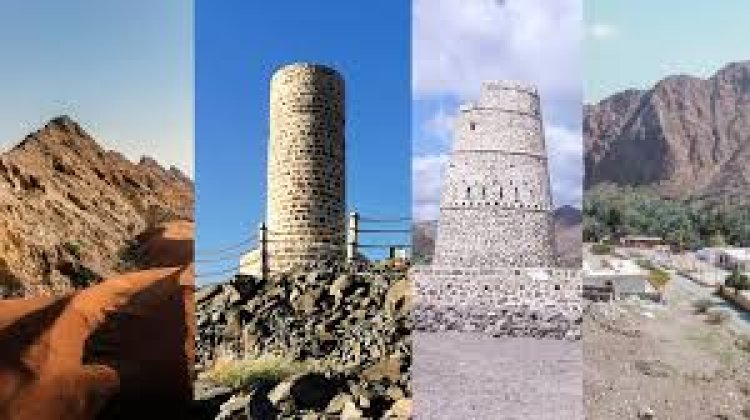
The Sharjah Archaeology Authority (SAA) has announced the inscription of four new archaeological landmarks in the emirate on the Islamic World Heritage List of the Islamic World Educational, Scientific and Cultural Organisation (ISESCO).
The newly recognized sites include Wadi Al Helou: A Witness to Copper Mining, the Prehistoric Cultural Landscape of Al Faya, the historic Al Nahwa area, and the historic towers and forts of Khorfakkan. The inscriptions were achieved through collaboration between SAA and the Authority for Initiatives Implementation and Infrastructure Development (Mubadara).
Issa Yousef, Director-General of SAA, said the inclusion reflects Sharjah’s long-term strategy to preserve archaeological heritage and present it as a shared historical legacy that transcends time and geography. He added that the recognition builds on the cultural vision of Sultan bin Mohammed Al Qasimi, whose leadership has placed heritage preservation at the heart of the emirate’s development agenda.
He noted that the achievement is the result of sustained scientific research, documentation, and conservation efforts aligned with international standards. The inscription, he said, will further promote academic research, public awareness, and sustainable cultural tourism.
Wadi Al Helou, located in the Hajar Mountains in eastern Sharjah, is considered one of the most significant Bronze Age copper mining and smelting sites in southeastern Arabia. The valley contains ancient mining remains, furnaces, and smelting evidence, confirming metallurgical activity dating back thousands of years. Archaeological studies indicate continuous human settlement since prehistoric times, with the site emerging as a major copper production and trade center during the Bronze Age.
The prehistoric cultural landscape of Al Faya is regarded as a globally important site illustrating early human settlement in desert environments. Situated between the Arabian Gulf and the Sea of Oman, its archaeological layers span approximately 210,000 to 6,000 years ago. The discoveries provide scientific evidence of early human adaptation to climate change and support theories on the southward migration of modern humans out of Africa.
The historic Al Nahwa area, located within a mountainous enclave in eastern Sharjah, reflects centuries of traditional mountain life. The site includes ancient stone houses, a historic mosque, an Islamic cemetery, watchtowers, prehistoric rock carvings, and traditional mountain pathways, all demonstrating the close relationship between the community and its environment.
Also recognized are the historic towers and forts of Khorfakkan, which form an integrated defensive network that once protected the city and its natural harbor. These include Khorfakkan Fort, the Portuguese Fort, and Al Rabi and Al Adwani towers. Built in strategic locations, the structures were designed to monitor maritime and land trade routes and illustrate the region’s historical role in trade networks linking the Gulf to the Indian Ocean and East Africa.
With these latest additions, the total number of Sharjah sites listed on the Islamic World Heritage List now stands at 10, reinforcing the emirate’s continued commitment to safeguarding and promoting its rich cultural heritage at both regional and international levels.