Has the global energy map shifted? Inside the claims reshaping Venezuela’s oil future
 supriyatunk
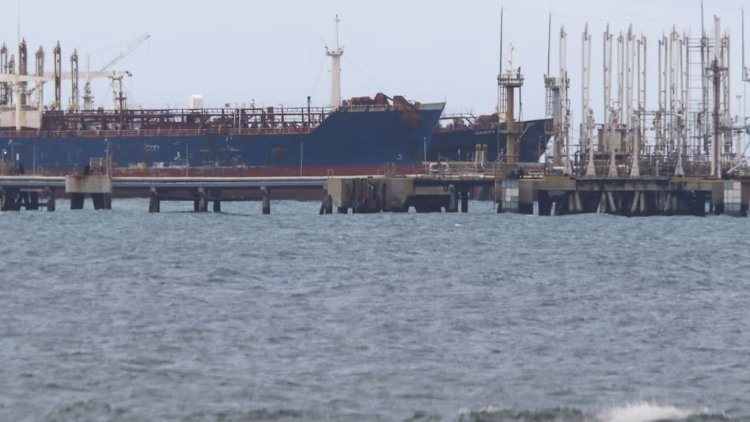
The global energy landscape is once again at the center of intense geopolitical debate, following growing speculation around Venezuela’s vast oil reserves and the expanding influence of the United States in global energy markets.
Venezuela holds an estimated 303 billion barrels of proven oil reserves, the largest in the world and even exceeding those of Saudi Arabia. However, years of underinvestment, sanctions, and political instability have left much of the country’s oil infrastructure in disrepair, severely limiting production capacity.
In recent weeks, analysts and commentators have pointed to a potential strategic realignment. Under this scenario, US influence over Venezuelan energy assets could increase significantly, particularly as Washington recalibrates its sanctions policy and energy diplomacy amid global supply pressures.
A key factor is Venezuela’s outstanding debt to China and Russia, amounting to billions of dollars, much of it structured to be repaid through oil shipments. Any major shift in Venezuela’s energy governance or export arrangements could dramatically alter how or if those obligations are honored, potentially sidelining Moscow and Beijing in one of the world’s most resource-rich nations.
At the same time, major US oil companies such as Chevron and ExxonMobil are widely viewed as the most capable actors to rehabilitate Venezuela’s aging oil fields, pipelines, and refineries. Industry experts suggest that any large-scale recovery would require massive capital investment, technical expertise, and long-term political guarantees, areas where American firms hold a decisive advantage.
If US production leadership is combined with renewed access to Venezuela’s reserves, the United States would further strengthen its position as the world’s most influential energy power, already leading in oil and gas output while shaping supply chains across multiple regions.
Still, analysts caution that Venezuela’s future remains uncertain. Any transformation would depend on complex negotiations involving sanctions relief, debt restructuring, political reform, and international oversight. For now, the idea of a dramatic shift in control remains a strategic possibility rather than a settled reality.
What is clear, however, is that Venezuela’s oil, long dormant and contested, is once again at the heart of global energy calculations, with implications that could reshape power balances well into the 21st century.