From desert sands to global skyline: Dubai’s extraordinary transformation
 supriyatunk
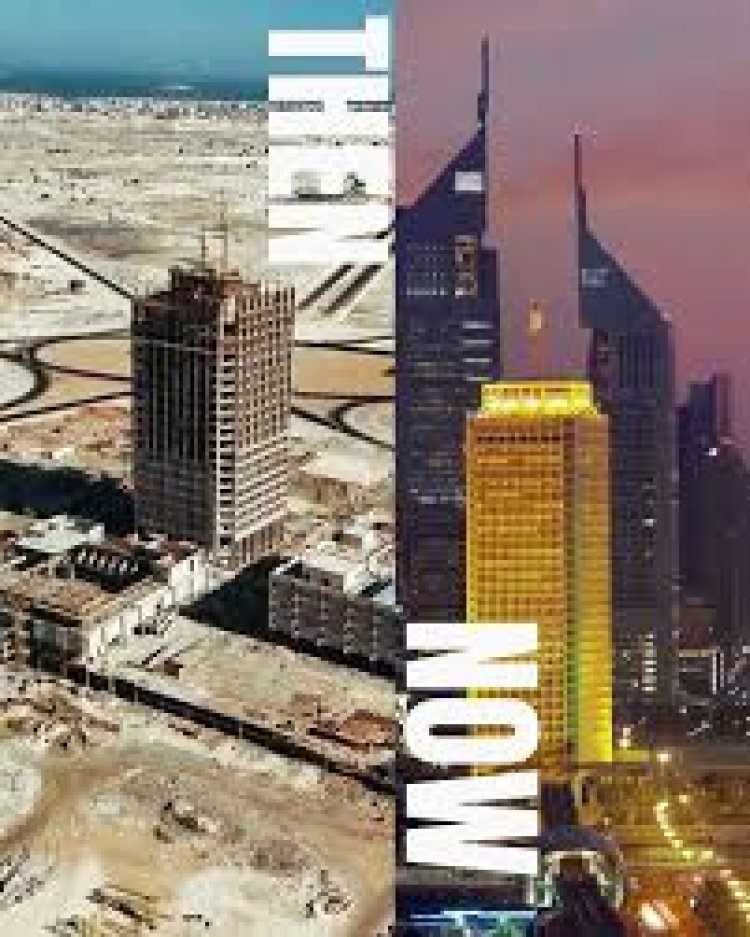
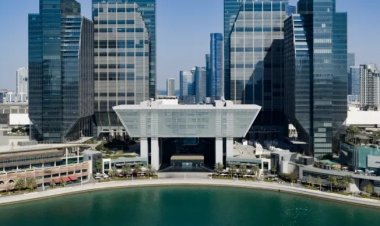
From humble fishing villages along the Arabian Gulf to a skyline defined by architectural ambition, Dubai’s transformation stands as one of the most remarkable urban success stories of the modern era.
Before the oil boom of the 1960s, Dubai was a modest trading port known for pearl diving and fishing. Its economy relied heavily on maritime trade and traditional industries, with a small population clustered around the creek.
The discovery of oil marked a turning point, but it was visionary leadership and strategic diversification that truly reshaped the city. Rapid infrastructure development, free trade policies, and global investment laid the foundation for exponential growth.
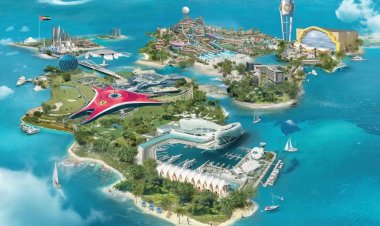
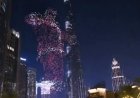
Landmark projects such as the towering Burj Khalifa redefined the global skyline, while ambitious engineering feats like Palm Jumeirah showcased Dubai’s appetite for bold innovation.
Today, Dubai is recognized as a global hub for business, tourism, and luxury living. The city boasts a world-class metro system, advanced road networks, and one of the world’s busiest airports, connecting millions of passengers to destinations across every continent.
From desert sands to skyscraper dreams, Dubai’s journey reflects strategic planning, international ambition, and a relentless drive toward the future.