Kuwait Bans Energy Drinks in Restaurants, Government Offices, and Schools
 Ashwini Gambo
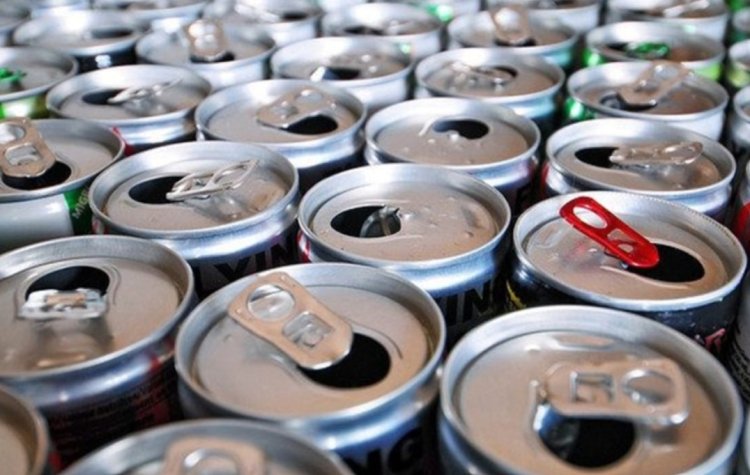
Kuwait has introduced sweeping new restrictions on the sale and circulation of energy drinks, significantly tightening regulations on who can purchase them and where they may be sold. The decision, issued by Minister of Health Dr Ahmed Abdulwahab Al Awadhi, aims to address growing public health concerns associated with excessive caffeine consumption, according to local media reports.
Under the new rules, energy drinks may only be sold to individuals aged 18 and above. Consumption is capped at a maximum of two cans per person per day, with strict limits on caffeine content set at no more than 80 milligrams per 250 millilitres in a single can.
The regulations also mandate clear and prominent health warnings on all energy drink packaging. In addition, all forms of commercial advertising, promotions, and sponsorships related to energy drinks have been completely banned.
Sales and circulation of energy drinks are now prohibited across all public and private educational institutions, including schools, institutes, and universities. The ban also extends to government offices and public-sector entities.
In a further expansion of the restrictions, energy drinks may no longer be sold in restaurants, cafés, grocery stores, food trucks of any size, or through self-service vending machines. Online ordering platforms and delivery services are also barred from selling or delivering these products, effectively eliminating home delivery options.
Going forward, energy drinks will only be available through cooperative societies and parallel markets. Even within these outlets, sales will be restricted to designated areas and will be subject to close monitoring by the relevant authorities. Retailers must ensure strict compliance with age verification requirements and daily purchase limits.
The move represents one of the most comprehensive regulatory frameworks for energy drinks in the region, reflecting Kuwait’s broader efforts to safeguard public health and reduce health risks linked to high caffeine intake.