$25bn ‘New Gaza’ plan unveiled at Davos aims to transform enclave by 2035
 supriyatunk
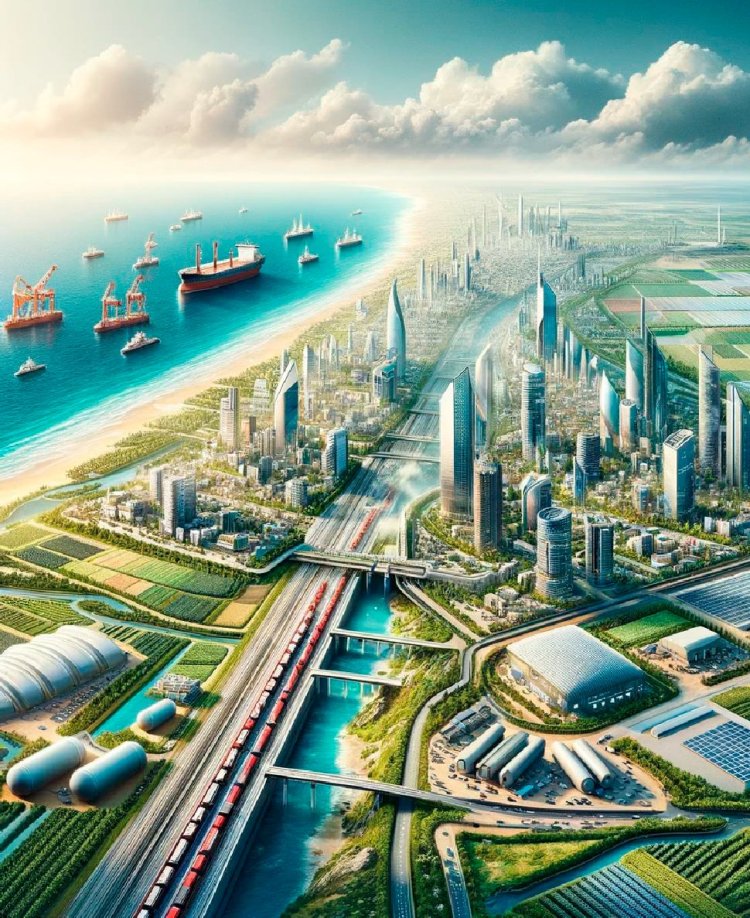
A $25 billion reconstruction proposal for Gaza, branded “New Gaza,” was unveiled on January 22, 2026, during the World Economic Forum in Davos by US special envoy Jared Kushner. The plan was presented alongside the signing of the charter for President Donald Trump’s newly established Board of Peace, outlining an ambitious vision to redevelop Gaza into a regional economic and high-tech hub by 2035.
Economic vision and investment goals
According to estimates by the Board of Peace, at least $25 billion in investment will be required to rebuild and modernize Gaza’s utilities, infrastructure, and public services. The plan aims to dramatically scale up Gaza’s economy, increasing GDP from approximately $362 million in 2024 to over $10 billion by 2035. Average annual household income is projected to rise to more than $13,000, positioning Gaza as a self-sustaining economic center.
Infrastructure and urban development
The master plan proposes sweeping redevelopment across multiple sectors. Key elements include the creation of smart cities, with around 180 coastal towers designed for tourism, residential, and mixed-use purposes. Major transport upgrades form a central pillar of the proposal, including a new seaport, international airport, and rail connections linking Gaza to regional hubs such as NEOM in Saudi Arabia.
Jobs and human capital
A dedicated $1.5 billion allocation for vocational training is intended to support the creation of more than 500,000 jobs across digital technology, manufacturing, construction, and logistics. The initiative places strong emphasis on workforce development as a foundation for long-term economic stability.
Phased reconstruction approach
Rebuilding is planned in phases, beginning in southern areas such as Rafah and Khan Younis, before extending northward to the most heavily damaged regions. This phased model is designed to allow gradual stabilization and infrastructure rollout while managing security and logistical challenges.
Governance and security framework
Oversight of the project would rest with the Board of Peace, chaired by President Trump, functioning as a parallel structure to traditional international organisations. Kushner stressed that the plan has no alternative pathway, making full demilitarization of Gaza a strict precondition for any reconstruction work. Day-to-day administration would be handled by a committee of Palestinian technocrats, referred to as the NCAG.
Challenges and international response
Despite its scale, the proposal faces significant political and practical obstacles. Hamas has not formally agreed to demilitarization, a central requirement of the plan. In addition, several major global players, including India, China, and key European nations, declined to join the Board of Peace at its launch. The UN and World Bank have also warned that total reconstruction costs could reach $70 billion and take decades to complete, raising questions about feasibility and timelines.
While supporters describe “New Gaza” as a bold reset for the region, critics argue that unresolved security, governance, and international consensus issues could limit its real-world implementation.