
UAE braces for final wave of unstable weather before conditions improve
 supriyatunk
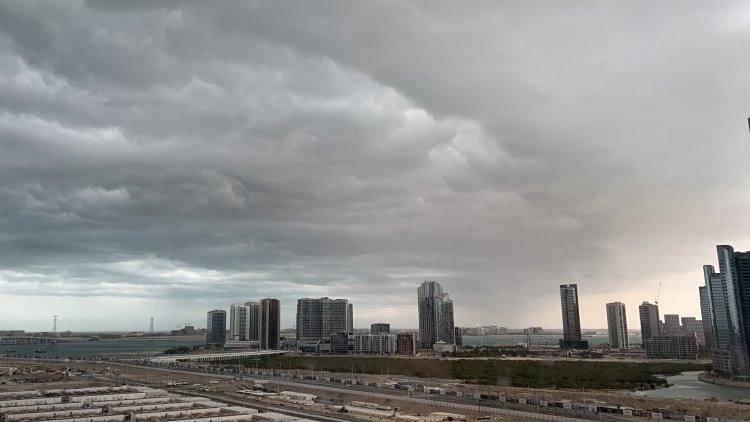
The National Centre of Meteorology has warned that the United Arab Emirates will experience one final wave of unstable weather, with heavy rain, thunderstorms, strong winds, and possible hail expected to continue through Friday, March 27.
Authorities have issued alerts across multiple regions, urging residents to remain cautious, particularly in Abu Dhabi, where weather conditions are expected to be most intense before gradually improving over the weekend.
What to expect
The current weather system is part of a broader pattern of atmospheric instability affecting the region, bringing sudden downpours, lightning, and gusty winds. In some areas, hail and reduced visibility are also possible, increasing risks for motorists and outdoor activities.
Recent days have already seen disruptions across major cities, including traffic slowdowns and flight delays, as heavy rain and storms impacted daily life.
Safety measures in place
Authorities have stepped up precautionary measures to manage the situation effectively. Emergency alerts have been issued, and residents are advised to do the following:
- Avoid unnecessary travel during heavy rain
- Drive cautiously due to low visibility and slippery roads
- Stay away from flooded areas and valleys
- Follow official updates and instructions
Government entities continue to coordinate closely to ensure public safety, including monitoring weather developments and responding to incidents in real time.
Improvement expected from Saturday
According to forecasts, weather conditions are expected to stabilize from Saturday, with clearer skies and cooler temperatures returning across the UAE.
This shift marks the end of an unusual spell of stormy weather for the region, which is typically known for its dry climate. Experts note that such patterns, though rare, highlight increasing variability in weather conditions.
How the UAE manages extreme weather
The UAE has developed advanced systems to handle sudden weather changes. The National Centre of Meteorology uses real-time monitoring, satellite data, and forecasting models to issue timely alerts.
Authorities also rely on coordinated emergency response teams, public warning systems, and infrastructure planning to minimize disruption and ensure safety during extreme conditions.
As the final wave of unstable weather passes, residents are advised to remain vigilant for the next 24 hours while preparing for improved conditions in the days ahead.