UAE and Saudi Arabia generate up to $150bn in tourism impact as regional race accelerates
 supriyatunk
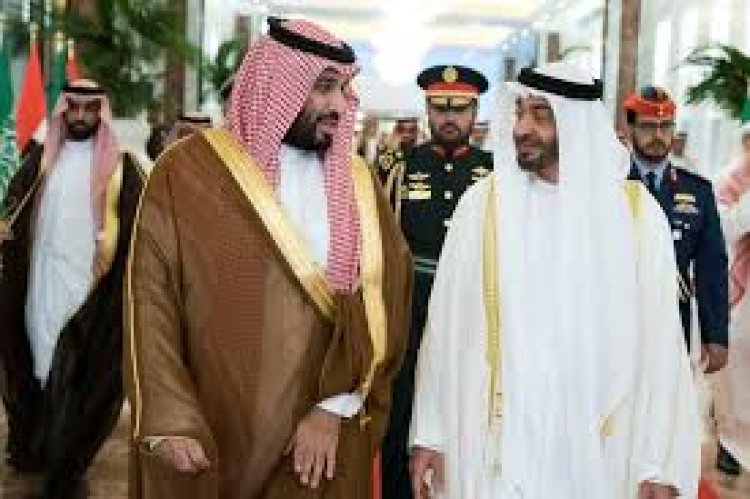
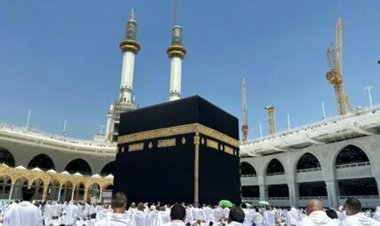
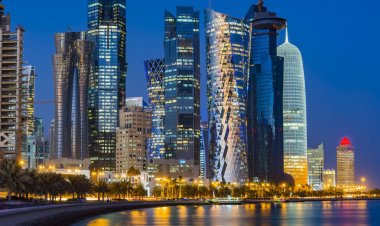
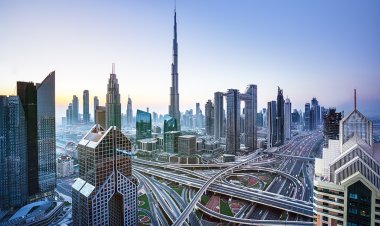
The UAE and Saudi Arabia cemented their positions as the Arab world’s leading tourism powerhouses in 2025, collectively generating an estimated $120 billion to $150 billion in total tourism-related economic impact. While Saudi Arabia led in rapid expansion and visitor growth, the UAE maintained its status as the region’s heavyweight in overall revenue and GDP contribution.
2025 tourism performance snapshot
United Arab Emirates
Total tourism revenue: approximately $70 billion (AED 257.3 billion)
Visitor volume: around 33 million hotel guests
GDP contribution: 13 to 15 percent of the national economy
Global standing: among the top seven countries worldwide for international tourist spending
Saudi Arabia
Total tourism spending: approximately $81 billion (SAR 300 billion)
Visitor volume: about 122 million visitors (domestic and international combined)
GDP contribution: 5 percent, with a target of 10 percent by 2030
Global standing: ranked number one globally for growth in international tourism receipts
Saudi Arabia’s rapid expansion under Vision 2030
Saudi Arabia has significantly accelerated its tourism transformation under Vision 2030. The Kingdom surpassed its original target of 100 million annual visitors ahead of schedule and has now raised the goal to 150 million visitors by 2030.
Mega projects such as Red Sea Global, alongside cultural and heritage developments in AlUla and Diriyah, have helped diversify the tourism offering beyond religious travel. Notably, non-religious visitors now account for 59 percent of international arrivals, reflecting a broader shift in the Kingdom’s tourism profile.
UAE’s infrastructure strength and global campaigns
The UAE’s performance continues to be anchored by world-class infrastructure and strategic global marketing campaigns. The country’s aviation sector handled a record 159 million passengers in 2025, supported by ongoing expansion at Al Maktoum International Airport.
The fifth edition of the “World’s Coolest Winter” campaign alone generated nearly AED 1.9 billion in hotel revenue, highlighting the impact of coordinated national tourism initiatives.
Global events shaping the next decade
Both nations are positioning themselves as global hubs for business, culture and entertainment. Saudi Arabia is preparing to host Expo 2030 and the 2034 FIFA World Cup, events expected to further accelerate infrastructure development and international visibility.
Meanwhile, the UAE continues to attract high-level summits and investment forums, including the UAE-Africa Tourism Investment Summit held in late 2025, reinforcing its status as a gateway between continents.
Investment and employment outlook
Saudi Arabia has committed more than $400 billion to its tourism sector as part of its long-term diversification strategy. The sector currently supports over 1 million jobs, with a target of 1.6 million by 2030.
The UAE, for its part, is targeting an additional AED 100 billion in tourism investments by 2031. Hospitality revenues are projected to grow by 7 percent in 2026, further strengthening tourism’s role as a cornerstone of non-oil GDP.
As both countries scale infrastructure, diversify attractions, and host global events, the Gulf tourism race is evolving into one of the most dynamic growth stories in the global travel industry.