Qatar–Somalia ties deepen as leaders review security and defence cooperation
 supriyatunk
A phone call between His Highness Sheikh Tamim bin Hamad Al Thani and Hassan Sheikh Mohamud on Monday, February 16, 2026, signals a deepening of strategic ties as Somalia recalibrates its regional alliances. The leaders reviewed the latest developments in Somalia, focusing on strengthening security, preserving national unity, and consolidating stability amid evolving regional dynamics.
Discussions come at a sensitive time for Mogadishu, particularly following Israel’s reported recognition of Somaliland earlier in 2026, a move that has heightened tensions around Somalia’s territorial integrity. The Amir reaffirmed Qatar’s full backing of Somalia’s legitimate state institutions and reiterated Doha’s support for the country’s sovereignty. President Mohamud, in turn, expressed appreciation for Qatar’s continued role in infrastructure development and humanitarian relief efforts.
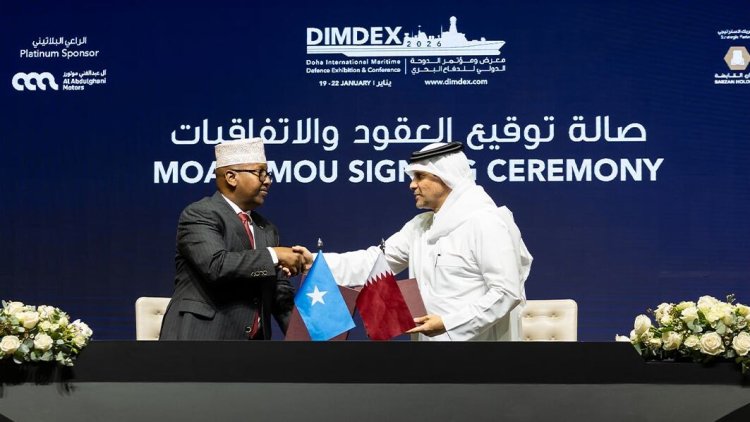
The call follows a landmark defense cooperation agreement signed in January 2026 aimed at enhancing military training and capacity building. The agreement came after Somalia terminated previous security arrangements with the UAE, marking a notable shift in its external defense partnerships.
Analysts describe the engagement as part of a broader diplomatic recalibration, with Somalia seeking stronger and more diversified alliances in the Gulf to reinforce internal stability and reduce reliance on earlier frameworks.
Somalia’s recent election to the African Union Peace and Security Council for the 2026–2028 term signals its expanding diplomatic footprint on the continent. Qatar has consistently used multilateral platforms, including the Organization of Islamic Cooperation, to advocate for Somali sovereignty and territorial integrity.
As regional geopolitics continue to evolve, the latest high-level engagement underscores strengthening coordination between Doha and Mogadishu, reflecting shared interests in stability, institutional development, and long-term security cooperation.