UAE Secures UNESCO Recognition for Four New Intangible Heritage Elements
 Ashwini Gambo
The United Arab Emirates has strengthened its position as a global leader in cultural preservation after securing the inscription of four new elements on UNESCO’s Representative List of the Intangible Cultural Heritage of Humanity. The decision was announced during the 20th session of UNESCO’s Intergovernmental Committee for the Safeguarding of Intangible Cultural Heritage, held in New Delhi from December 8 to 13.
Among the newly inscribed elements is Al Ahala, recognised as a national file and listed as one of the UAE’s traditional performing arts, carefully passed down through generations. In addition, Al Bisht, the bride’s procession, and Kohl were registered as joint Arab files, highlighting cultural practices shared across the UAE, the Gulf, and the wider Arab world.
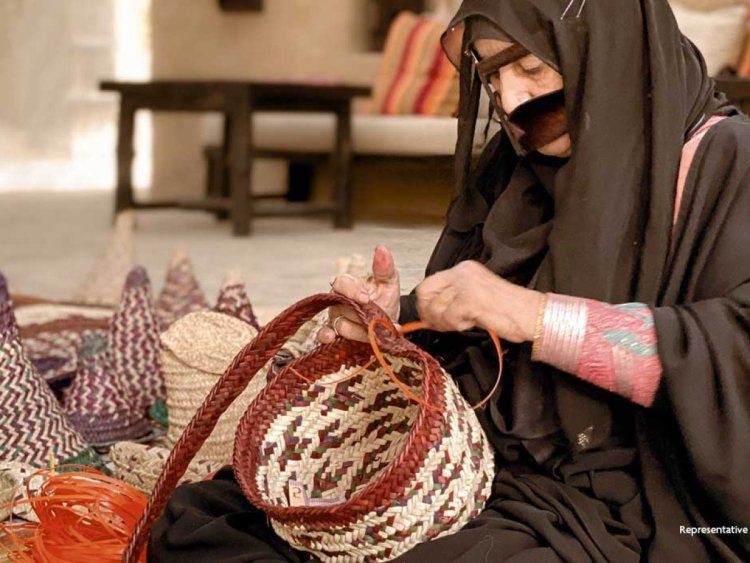
In a significant development, the committee also approved the transfer of Al Sadu, the traditional Bedouin weaving craft, from UNESCO’s List of Intangible Cultural Heritage in Need of Urgent Safeguarding to the Representative List. First inscribed in 2011, Al Sadu has benefited from sustained safeguarding programmes that ensured its continuity and transmission to younger generations. The move reflects international recognition of the UAE’s long-term efforts to protect and revitalise endangered cultural practices.
Sheikh Salem bin Khalid Al Qassimi, Minister of Culture, described the inscription of the four new elements as a major milestone in the UAE’s heritage journey, noting that it reflects the country’s commitment to strengthening the global presence of its living traditions. He added that the successful transition of Al Sadu highlights effective collaboration between cultural institutions and local communities.
Mohamed Khalifa Al Mubarak, Chairman of the Department of Culture and Tourism – Abu Dhabi, said the UNESCO recognition represents a strategic investment in the nation’s cultural future. He emphasised that long-term programmes, community partnerships, and festivals have played a crucial role in keeping heritage practices active and visible. The transition of Al Sadu, he noted, is a source of pride for Emiratis and a testament to the dedication of master artisans and younger generations alike.
With these latest additions, the UAE now has 19 elements inscribed on UNESCO’s Representative List, including Falconry, Al Ayyala, Majlis, Arabic coffee, Date Palm traditions, and Arabic calligraphy. One element, Al Azi, remains on the List of Intangible Cultural Heritage in Need of Urgent Safeguarding, underscoring the country’s continued commitment to protecting its cultural legacy.