
Why Luxury Watches Fetch Millions at Auctions Across the UAE and GCC
 Ashwini Gambo
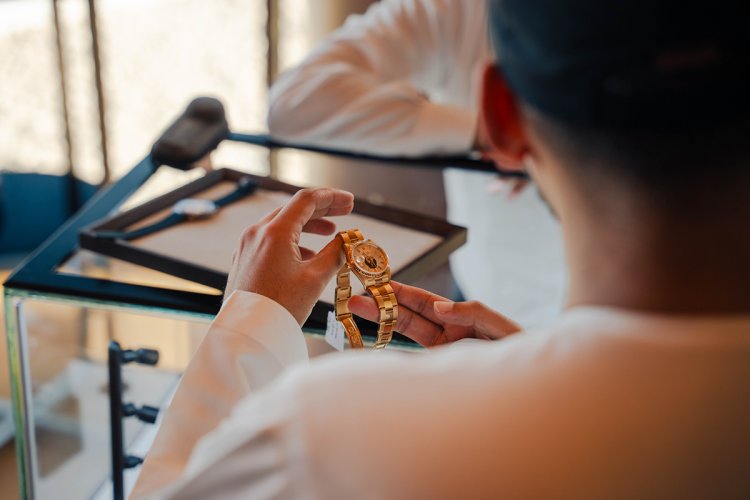
Step into a high-end watch auction in Dubai and the atmosphere tells its own story. Bidders are composed, phones remain untouched, and offers often come late. When prices climb into the millions of dirhams, there is no audible surprise. These rooms no longer feel speculative or impulsive they feel assured. Across the UAE and the wider GCC, luxury watches have evolved into deeply personal acquisitions, driven by passion, patience, and a refined understanding of rarity.
What may seem excessive from the outside often reflects years of careful study. Collectors know the references, the movements, the provenance, and the production numbers. Each purchase is deliberate. This maturity is now reshaping the global auction landscape.
Singapore-based online auction house FutureGrail forecasts that global watch auctions will exceed $1 billion in sales by 2026, with GCC buyers accounting for 20–25 per cent of top-value transactions. Over the next 12 months alone, more than $200 million worth of luxury watches is expected to be acquired by collectors in the region. In practical terms, one in every four important watches sold at auction is likely heading to the Gulf.
Collectors fall in love before they invest-
Most GCC collectors do not begin their journey with spreadsheets or return calculations. Conversations start with design language, mechanical innovation, and the history behind a specific reference. Financial performance usually enters the discussion later often as reassurance rather than motivation.
Ali Nael, CEO of FutureGrail, explains the mindset clearly: “GCC buyers are flocking to luxury watches, firstly because of the desirability of beautiful timepieces and secondly, the performance of watches as an asset class.”
That sequence matters. Emotional connection fosters patience, and patience encourages long-term holding. This behaviour helps explain why regional collectors are less reactive during market corrections and more willing to wait through cycles. Data supports that confidence. The Knight Frank Wealth Report notes that luxury watches have achieved average price growth of more than 125 per cent over the past decade. A watch purchased ten years ago for $100,000 could today be valued well above $200,000 before accounting for the enjoyment of ownership.
Confidence backed by market depth-
Collector confidence is reinforced by the sheer scale and stability of the market. Statista estimates the global luxury watch market will generate $63.7 billion in revenue in 2025, with steady growth expected throughout the decade. Regionally, MarkNtel Advisors values the UAE luxury watch market at $1.61 billion in 2024, forecasting growth to $2.21 billion by 2030, at a compound annual rate of 5.2 per cent.
For buyers, the equation is clear. Demand is expanding while production of high-end watches remains tightly controlled. More collectors are competing for a finite supply of rare references particularly at the top end of the market. Over time, that imbalance tends to support prices, especially for historically significant or exceptionally scarce pieces.
In the UAE and across the GCC, luxury watches are no longer seen as fleeting indulgences. They are lifetime prizes chosen slowly, held proudly, and increasingly, valued globally.