
UNESCO Recognises ‘Bisht’ as Intangible Cultural Heritage of Humanity
 Ashwini Gambo
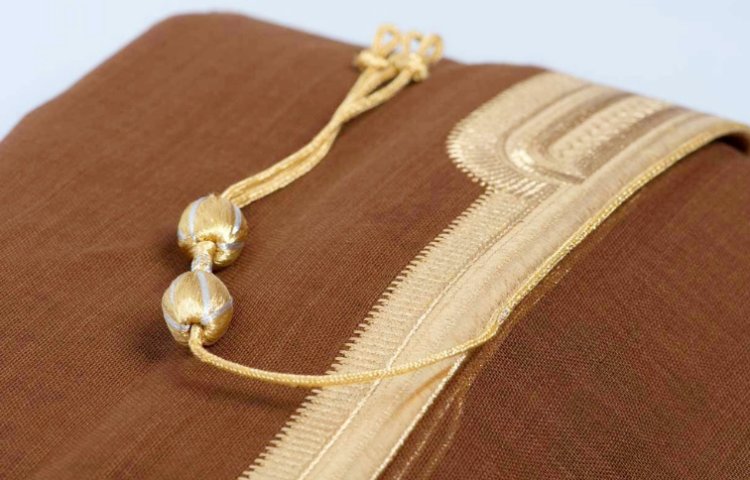
UNESCO has officially inscribed the ‘Bisht (men’s Abaa): skills and practices’ on its Representative List of the Intangible Cultural Heritage of Humanity.
The announcement came during the 12th session of the Intergovernmental Committee for the Safeguarding of the Intangible Cultural Heritage, held in New Delhi, India, which continues until tomorrow.
The recognition follows a joint Arab nomination led by Qatar, with active participation from Bahrain, Saudi Arabia, the UAE, Kuwait, Oman, Iraq, Jordan, and Syria, reflecting a collective commitment to safeguarding and preserving the region’s rich cultural traditions.
Shaikh Khalifa bin Ahmed bin Abdulla Al Khalifa, President of the Bahrain Authority for Culture and Antiquities, expressed pride in the recognition, stating:
"We are delighted that ‘Bisht (men’s Abaa): skills and practices’ has been inscribed on UNESCO’s Representative List. This traditional garment is deeply tied to the cultural identity of our Arab countries and reflects the cultural richness and long-standing traditions of our region."
He added that through joint Arab efforts, Bahrain continues to showcase the richness of Arab civilisation and highlight its traditional social practices, promoting Arab cultural achievements worldwide.
The bisht, or men’s abaa, is one of the most prominent traditional garments worn across the Gulf and neighbouring Arab countries. Typically worn at formal events and weddings, it is a long cloak draped over regular clothing, crossing at the chest, and fastened on one side while leaving the right arm free for greetings.
Beyond its aesthetic appeal, the bisht symbolises high social standing, dignity, and respect, enhancing the presence and stature of the wearer. Its craftsmanship is highly esteemed, with skilled artisans meticulously hand-embroidering the neckline and front panels using fine silk threads or gold- and silver-plated threads.
UNESCO’s recognition highlights the bisht as a shared symbol of Arab cultural identity, preserving the continuity of regional heritage and showcasing the artistry and traditions that have been passed down through generations.