
Abu Dhabi Achieves Historic Milestone as Sustainable Fisheries Index Reaches 100%
 Ashwini Gambo
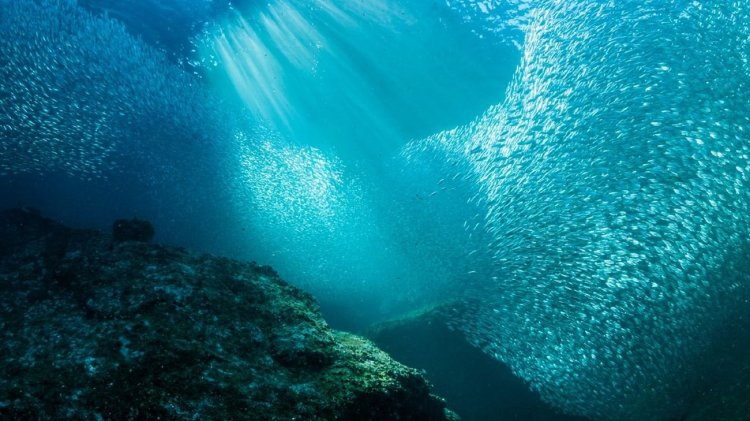
Abu Dhabi has achieved a historic environmental milestone, with the Sustainable Fisheries Index reaching 100 per cent by the end of 2025, a remarkable increase from just 8 per cent in 2018, according to the Environment Agency – Abu Dhabi (EAD).
The achievement reflects the effectiveness of the emirate’s comprehensive approach to restoring marine resources through science-based policies, habitat protection, and the development of an integrated sustainable fisheries management system aimed at enhancing fish stock abundance.
This progress highlights Abu Dhabi’s advanced environmental management model and its ability to rebuild fish stocks in line with the highest international standards, reinforcing its leadership in marine sustainability.
Shaikh Hamdan bin Zayed Al Nahyan, Ruler’s Representative in Al Dhafra Region and Chairman of EAD, affirmed that the achievement reflects the strong support of President His Highness Shaikh Mohamed bin Zayed Al Nahyan, as well as the directives of His Highness Shaikh Mansour bin Zayed Al Nahyan, Vice President, Deputy Prime Minister and Chairman of the Presidential Court.
Shaikh Hamdan bin Zayed noted that the milestone is the result of an integrated research and development project supported by the Presidential Court, which introduced advanced scientific methodologies for monitoring fish stocks and analysing marine ecosystems. The project applies modern, data-driven technologies to support legislation and policymaking, reflecting a commitment to natural resource sustainability as a pillar of comprehensive national security.
He emphasised that protecting marine resources is not merely an environmental obligation, but a national strategy to enhance food security and reduce reliance on imports, stating: “What has been achieved over the past years is the fruit of a vision based on knowledge, innovation and regulating maritime practices in a way that preserves the balance of the sea and ensures the sustainability of its bounty for future generations.”
Mohammed Ahmed Al Bowardi, Vice Chairman of the Board of Directors of EAD, said the increase in the Sustainable Fisheries Index is the result of an integrated framework of legislation, policies and scientific procedures that enabled the rapid rebuilding of fish stocks by global standards. He added that the progress reflects meticulous planning and effective implementation, supporting the sustainable use of marine resources as a foundation for long-term sustainability and societal wellbeing.
Dr Shaikha Salem Al Dhaheri, Secretary-General of EAD, described the achievement as a global reference point for marine resource management. She highlighted the collaboration between EAD, the National Guard, the Fishermen’s Association and community stakeholders, supported by robust scientific data. “We have moved from a protection phase to a prosperity phase. We are now not only protecting the sea, but also rebuilding it faster and stronger,” she said.
Dr Al Dhaheri noted that the achievement marks the beginning of a long-term programme supported by the Sustainable Fisheries Policy and advanced technologies, including artificial intelligence and the research vessel Jaywun.
EAD continues to enhance the protection of productive marine habitats through an integrated system of projects focused on ecosystem rehabilitation, increasing marine productivity and restoring ecological balance. These initiatives include the development of Abu Dhabi’s coral gardens and the deployment of 40,000 artificial reef modules to create favourable environments for fish.
In parallel, EAD is strengthening its regulatory and monitoring framework by leveraging artificial intelligence and smart systems to monitor fishing activities and environmental data, supported by the research vessel Jaywun, which provides accurate scientific insights to inform decision-making.
As part of fish stock recovery efforts, Abu Al Abyad Island continues to implement an advanced programme to release fish fingerlings produced in specialised ponds. This initiative compensates for losses caused by natural pressures and overfishing, supporting biodiversity, restoring marine habitats, and establishing sustainable fisheries.
These efforts reinforce Abu Dhabi’s position as a global model for sustainable natural resource management, driven by scientific data, partnerships and advanced technologies, ensuring the continued recovery of marine ecosystems for the benefit of society and future generations.